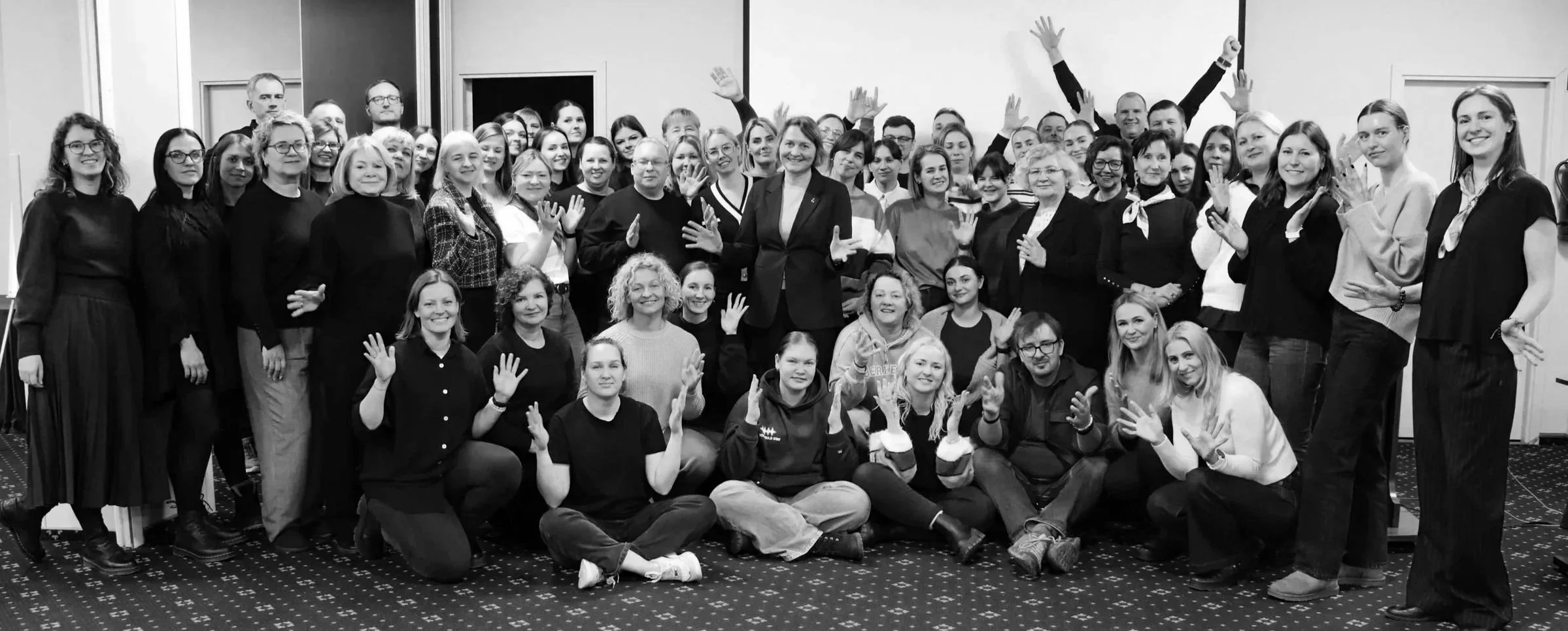
Maximum number of participants reached for Training in Malta!

Maximum number of participants reached for Training in Malta!

Thank you for the interpreters registering from the Netherlands, Belgium, Germany, France, Spain, Italy, Hungary, Macau, and Malta! We are happy that you will join the training 'Interpreting From And To English As A 3rd Language - PART 1' from 16 - 18 May in Malta. Do not miss this opportunity and attend the EUD seminar on Friday 19 May! The EUD GA is on 20 May. 

Read More
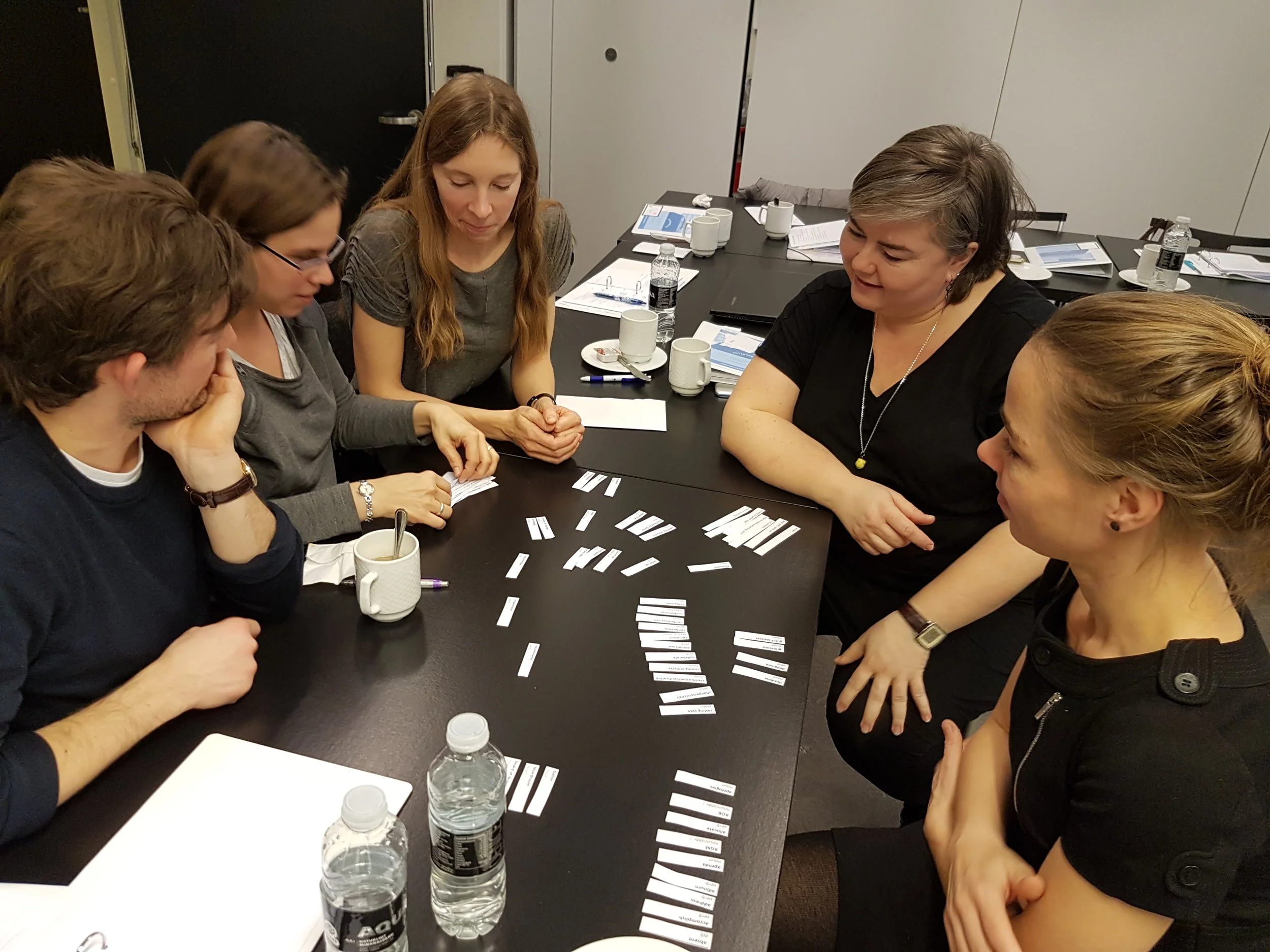
Training For Sign Language Interpreters:
 Interpreting From And To English As A 3Rd Language - Malta

Training For Sign Language Interpreters:
 Interpreting From And To English As A 3Rd Language - Malta

Come to Malta 16 - 18 May and work with sign language interpreters from across Europe and improve your skills in working from your national sign language into English and vice versa! Register your place at the training now >

Seize the opportunity and attend the EUD seminar on 19 May in Malta: www.eud.eu


Read More

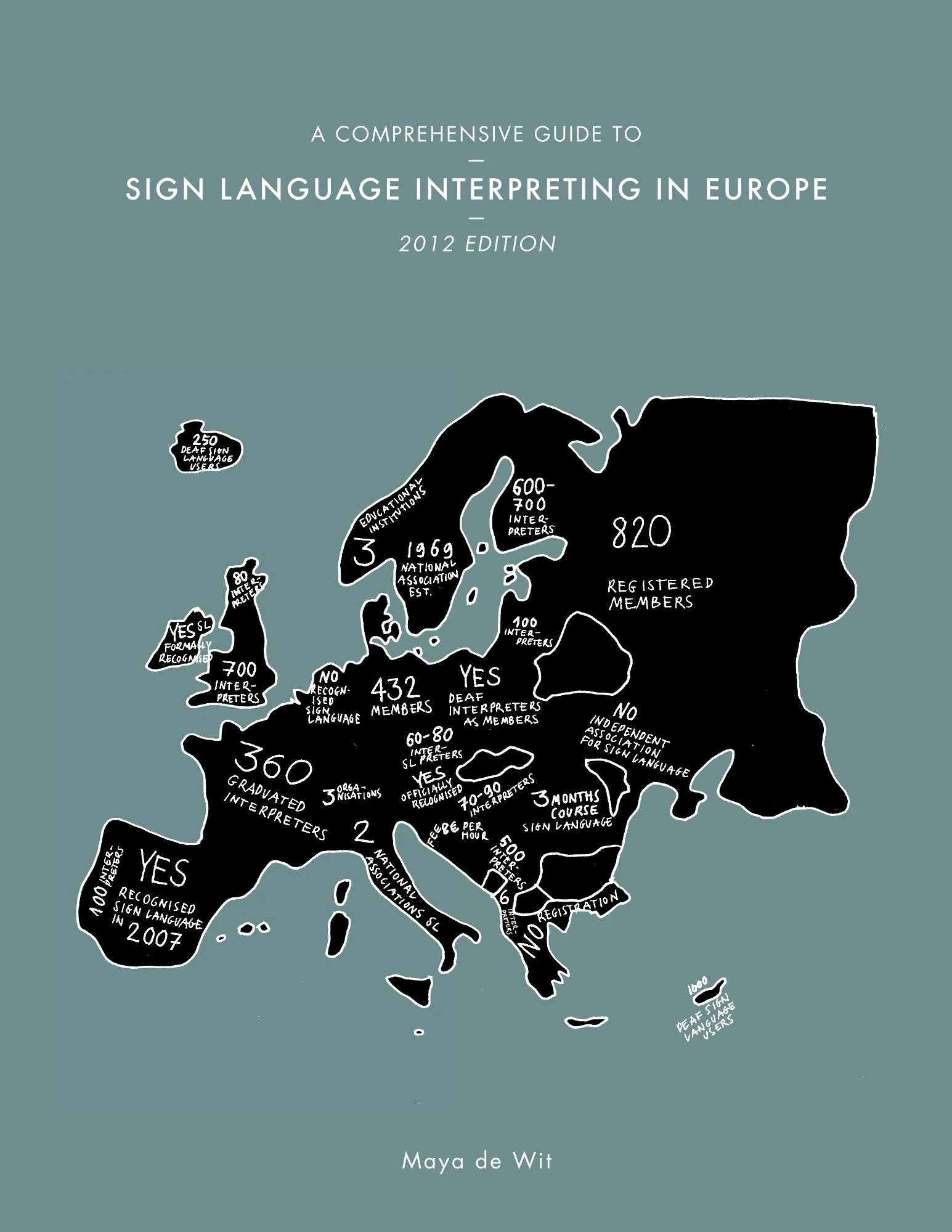
NEW! Published: Sign Language Interpreting in Europe, 2016 edition

NEW! Published: Sign Language Interpreting in Europe, 2016 edition

Sign Language Interpreting in Europe, 2016 edition, gives an overview of the organizations, educational programs, and employment situations of sign language interpreters across 45 European countries and regions. This is the fifth updated edition, following publications in 2000, 2004, 2008, and 2012. The publication is available at all Amazon stores worldwide

Read More

AIIC Sign Language Network: why & what for?

AIIC Sign Language Network: why & what for?

Why is it important for sign language interpreters working at international conferences to join AIIC? As sign language interpreters we work alongside and in cooperation with our colleagues, spoken language interpreters. We have been lobbying to have our profession equally recognized as spoken language interpreters. Which means that when in the same conference setting we are receiving the same technical and professional support in order to carry out our tasks, as well as receiving equal pay. 

Read More

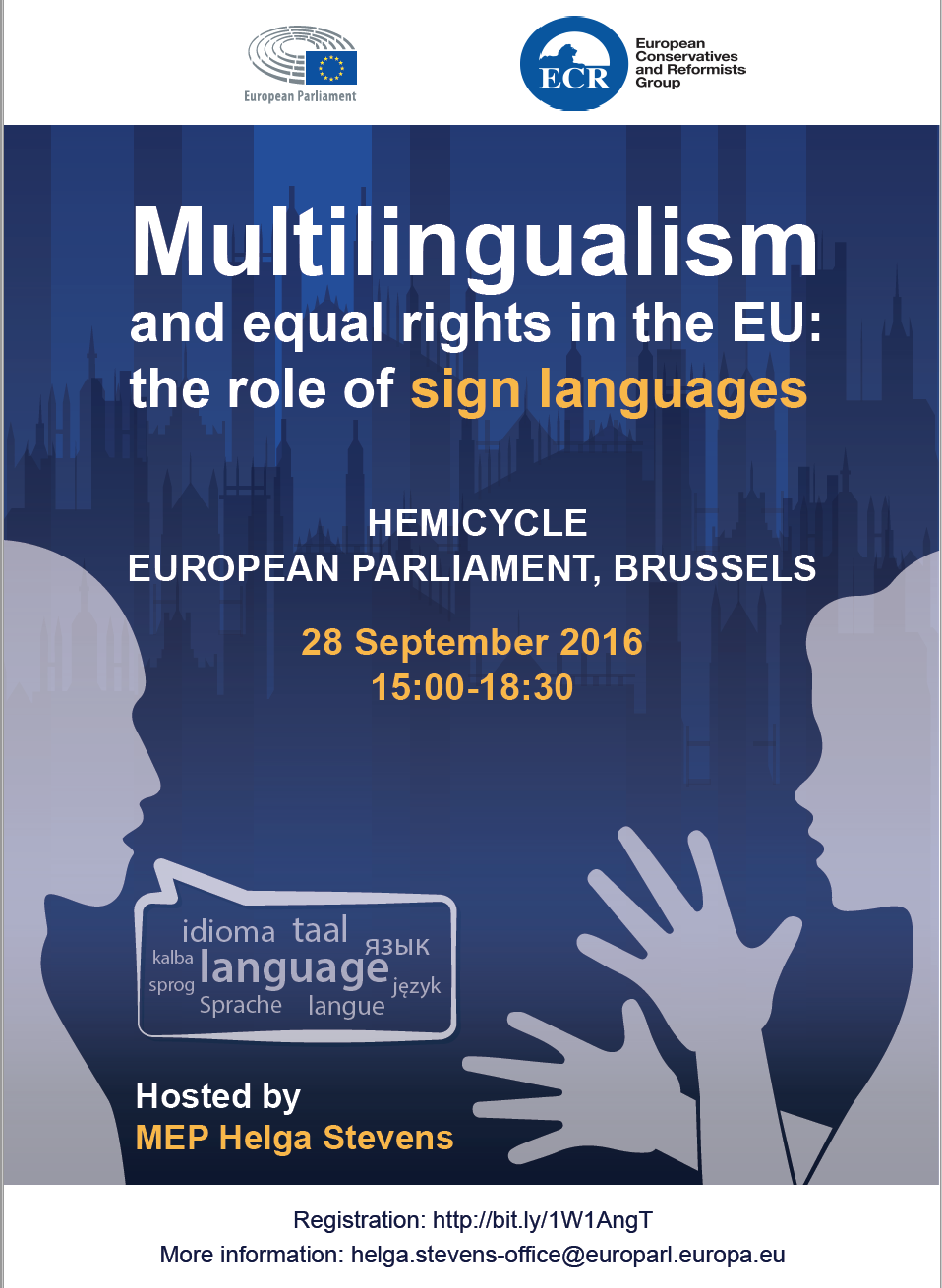
Unique conference in European Parliament - Multilingualism and equal rights in the EU: the role of sign languages

Unique conference in European Parliament - Multilingualism and equal rights in the EU: the role of sign languages

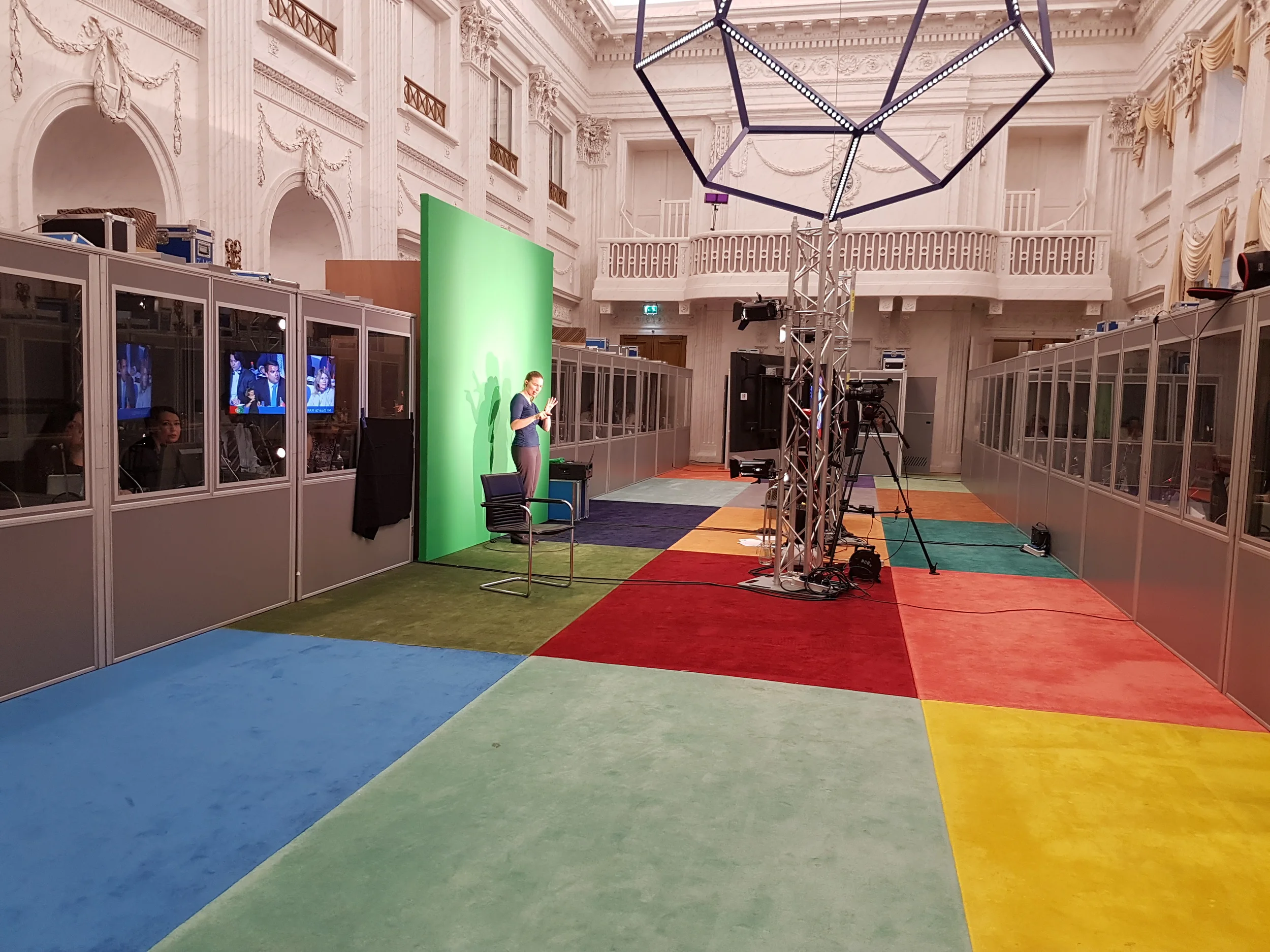
On 28 September 2016 MEP Helga Stevens is hosting a unique conference in the European Parliament: 'Multilingualism and equal rights in the EU: the role of sign languages'. For the first time in history the European Parliament will have all 24 spoken languages and 31 sign languages present.

Read More

Looking for sign language interpreters in Eastern European countries

Looking for sign language interpreters in Eastern European countries

Since 2000 I have been conducting research on the status of Sign Language Interpreting in Europe. The results of this research are published, and the latest one was in 2012.

Now it is the year again to gather the new data on the status of our profession. Unfortunately I have not been able to locate sign language interpreters yet in all member states of the Council of Europe. I am still looking for contacts in Armenia, Azerbaijan, Georgia, Macedonia, Moldova and Slovakia.

Read More

Sign and spoken language interpreters meet at the European Parliament in Strasbourg

Sign and spoken language interpreters meet at the European Parliament in Strasbourg

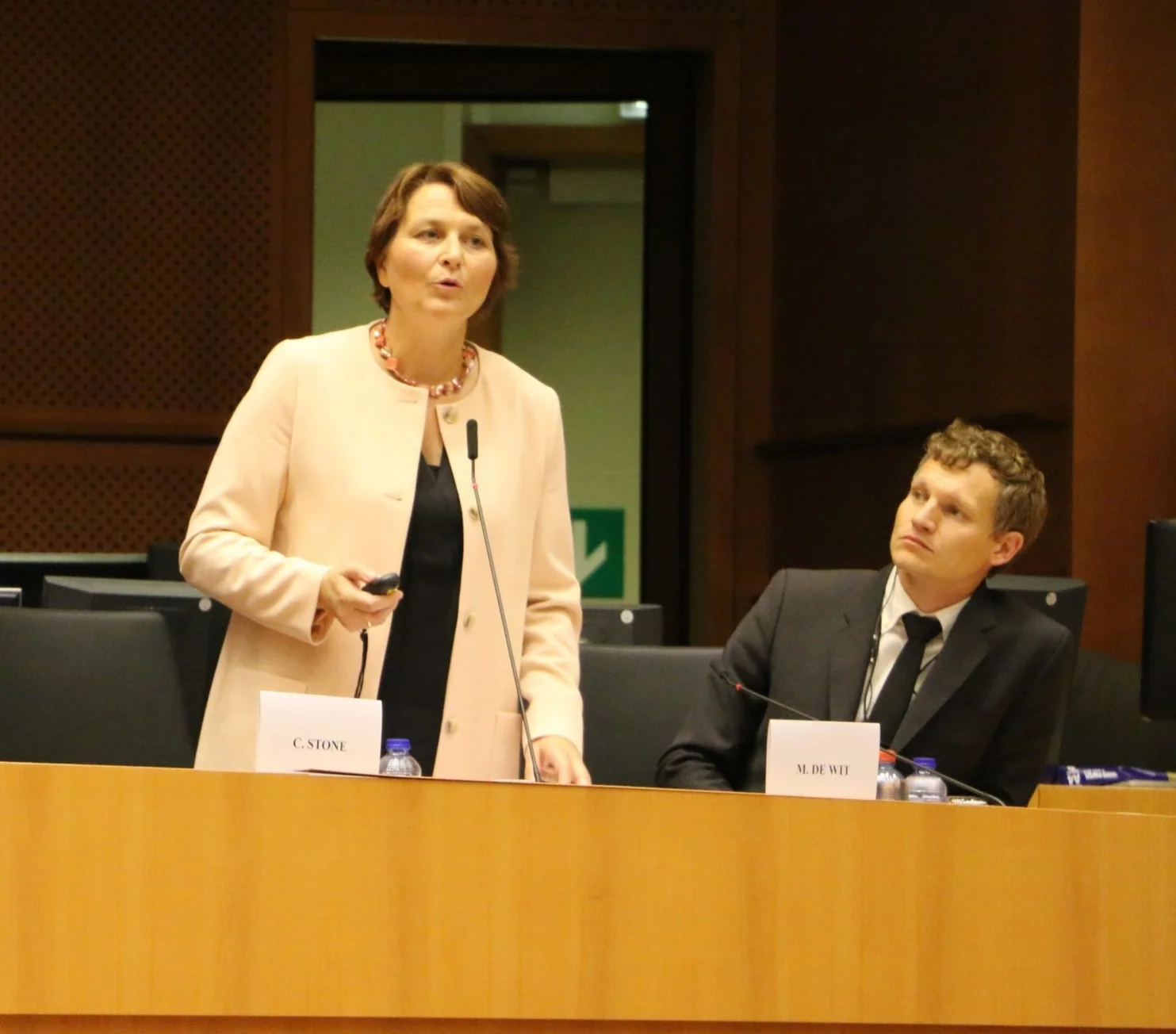
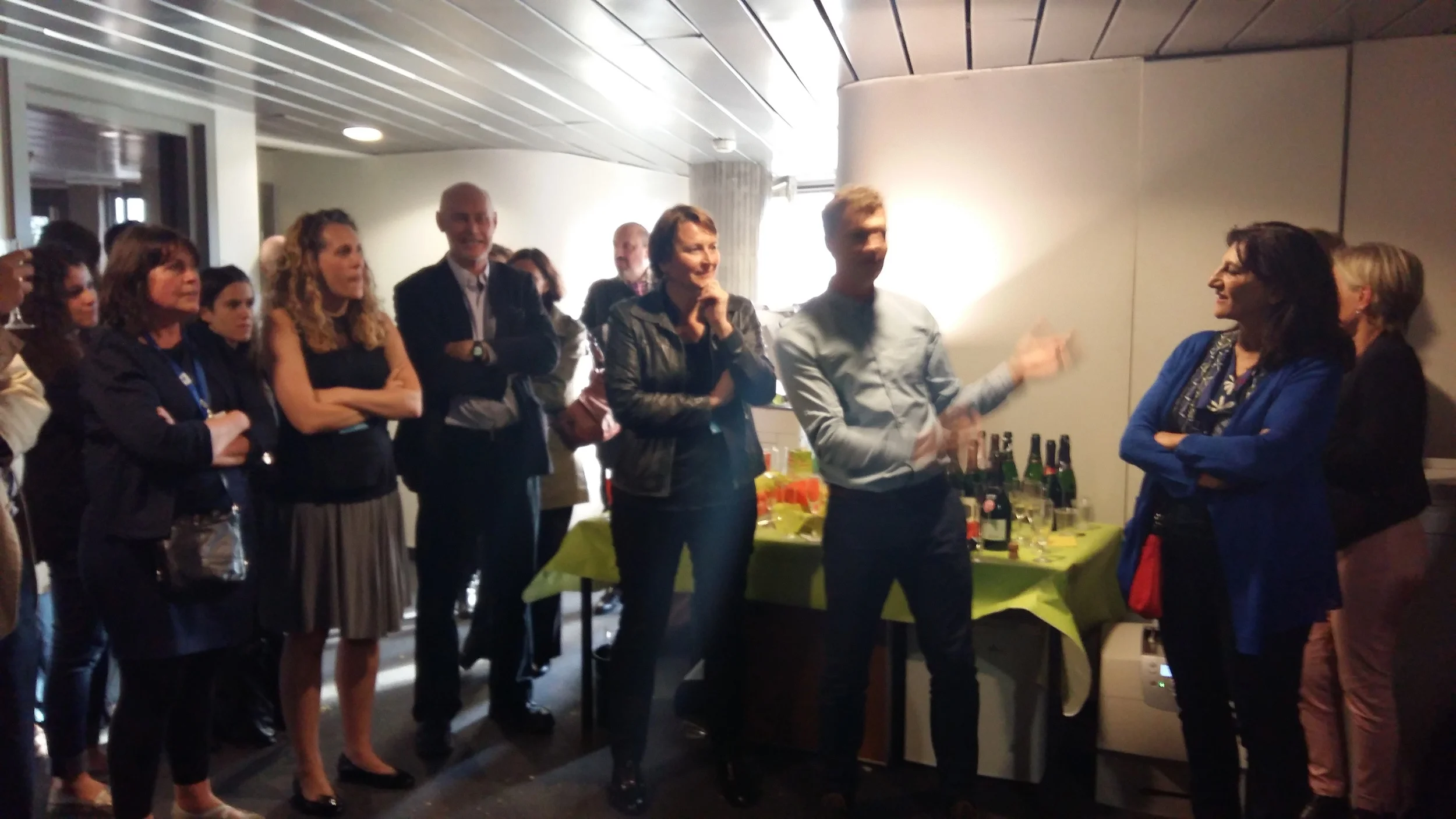
At the EYE event in Strasbourg on 20 May 2016 a special meeting was organized by the interpreting recruiting and programming department of the European Parliament. At the meeting Maya de Wit & Oliver Pouliot presented a glimpse into the world of sign language interpreting to the spoken language interpreters working at the event.

Read More

New publication Gallaudet University Press: International Sign: Linguistic, Usage, and Status Issues

New publication Gallaudet University Press: International Sign: Linguistic, Usage, and Status Issues

International Sign (IS) is widely used among deaf people and interpreters at international events, but what exactly is it, what are its linguistic features, where does its lexicon come from, and how is it used at interpreted events? This groundbreaking collection is the first volume to provide answers to these questions.

Read More